


Choosing roller blinds for your home shouldn’t feel like solving a puzzle. You want something that blocks out light when you need it, looks good with your furniture, and doesn’t cost a fortune. But walk into any home shop or scroll through options online, and suddenly you’re drowning in fabric types, mounting brackets, and measurements you’ve never heard of. You can browse all our roller blinds online, exploring a wide range of colours and prints to suit any decor.
The UK blinds market is booming right now. The curtains and blinds market in the United Kingdom is projected to grow by 11.13% between 2024 and 2029, and there’s a good reason why. People are realising that blinds do more than just look nice. They save energy, give you privacy, and actually make rooms more comfortable. Shopping for roller blinds from the comfort of your own home is easy and convenient, with the option to order free samples to compare colours and styles before you buy.
Here’s the thing: buying blinds is actually pretty straightforward once you know what matters. You don’t need a design degree or a contractor on speed dial. You just need clear info about what works, what doesn’t, and what’s going to make your space feel exactly how you want it to feel. Roller blinds can be ordered online and delivered directly to your home, making the process simple and stress-free. They can also enhance your home decor with a range of patterns and colours.
This guide walks you through everything, from picking the right style for your windows to understanding which materials actually hold up. By the end, you’ll know exactly what to look for, and you’ll feel confident placing that order.
In this section:
- Why Should You Choose Blinds Over Curtains?
- What Types of Blinds Are Available?
- How Do You Choose the Right Material for Blinds?
- What Features and Functionality Should You Consider?
- How Do You Measure for Blinds?
- What Are the Installation Requirements for Blinds?
- How Do You Clean and Maintain Blinds?
- How Much Do Blinds Cost?
- What Are Roller Blinds Right for Your Home?
- What About Blinds for Specific Rooms?
- Frequently Asked Questions About Blinds
- Sources and References
- Final Thoughts on Choosing Blinds
Why Should You Choose Blinds Over Curtains?
Let’s be real. Curtains have their place, but blinds give you control that fabric hanging from a rod just can’t match.
Light control is the big one. With roller blinds or Venetian blinds, you can adjust exactly how much light comes through. Want gentle morning sun but not that harsh afternoon glare? Tilt your slats or pull your blind halfway. Try doing that with curtains without creating weird bunches of fabric.
Space-saving matters more than you think. Blinds sit flush against your window frame or just outside it. They don’t eat up wall space or make a small room feel smaller. If you’ve got tight quarters or windows near furniture, this makes a huge difference.
Maintenance is easier too. Most blinds need a quick wipe-down or vacuum every few weeks. Curtains? You’re taking them down, washing them, ironing them, and hanging them back up. Not fun.
Modern aesthetics work better with blinds. Clean lines, minimal fuss. If your space leans contemporary, blinds keep that vibe going. Curtains can look great, but they bring a softer, more traditional feel that doesn’t always fit. Roller blinds are especially versatile, with a wide range of fabrics and colours available to suit any room style or functional need—whether you want privacy, light filtering, or a bold design statement, there’s a roller blind option to match.
And here’s something people don’t talk about enough: privacy without darkness. You can angle slats or use blackout roller blinds to keep eyes out while still letting light in during the day. That’s tough to pull off with curtains unless you’re layering, which gets expensive fast.
What Types of Blinds Are Available?
Blinds come in more varieties than you’d expect. Each type has its own strengths, and picking the right one depends on what you need from your windows.
Day and night blinds, also known as night blinds, are a versatile option that allow you to easily adjust light and privacy levels throughout the day and night. These blinds function similarly to Venetian blinds, making them ideal for spaces where flexible light control is important.
Roller Blinds
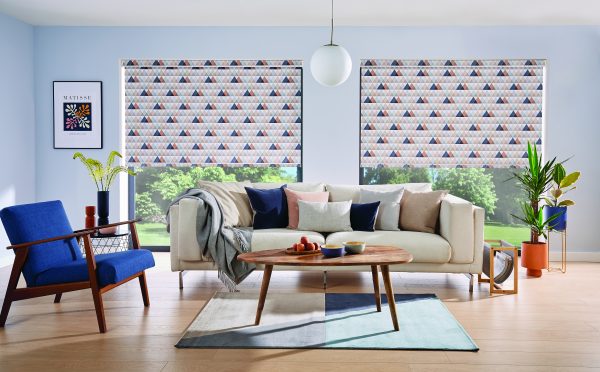
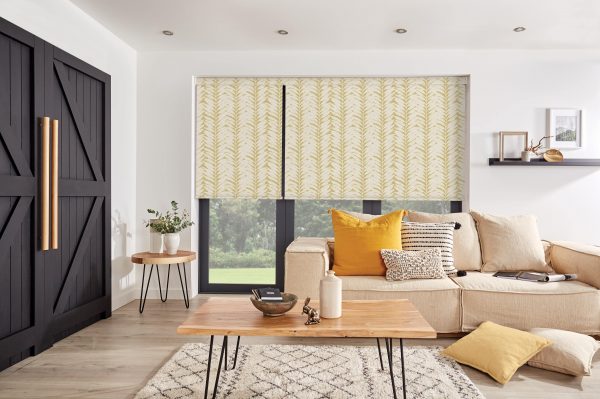
Roller blinds are the workhorses of the window covering world. Simple, effective, and they fit pretty much anywhere.
You pull them down when you want coverage and roll them back up when you don’t. No fuss. They come in blackout, light-filtering, and sheer fabrics, so you control exactly how much light gets through. If you’ve got kids trying to nap during the day or you need to sleep during daylight hours, blackout roller blinds are brilliant.
They look clean and modern, especially in kitchens, bathrooms, and bedrooms. You can also layer them with curtains if you want that extra softness without losing function.
All our roller blinds are made to measure for a perfect fit and come equipped with safety devices to comply with child safety standards.
Venetian Blinds
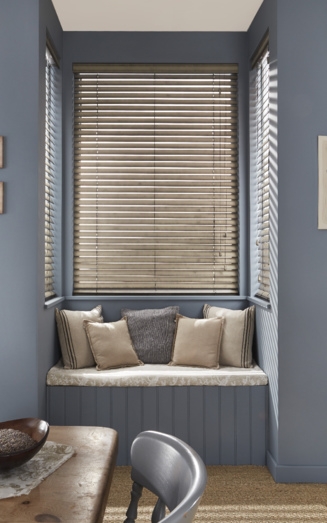
Venetian blinds give you those horizontal slats you can tilt to adjust light. They’re usually made from aluminium, wood, or faux wood.
The tilt function is clutch. You can angle the slats to let light in while still blocking the view from outside. Perfect for street-facing windows where you want privacy without turning your room into a cave.
Wood Venetian blinds bring warmth to living rooms and bedrooms. Aluminium ones work better in bathrooms and kitchens where moisture is an issue. Faux wood splits the difference, giving you the look of real wood with better durability in humid spaces.

Vertical Blinds
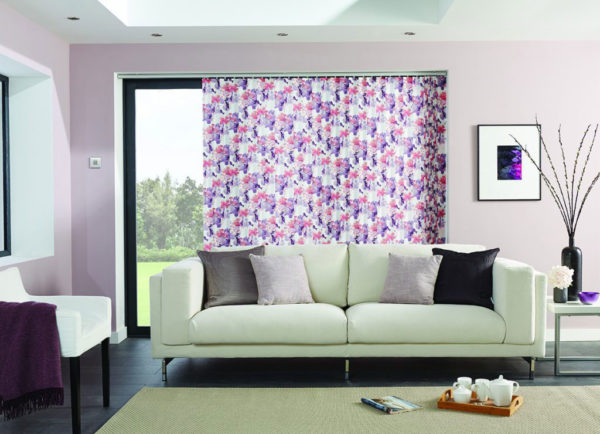
Vertical blinds are what you see on sliding glass doors and large windows. The slats hang vertically and slide to one side when you open them.
They’re practical for wide openings because they move smoothly and don’t get in the way when you need access. If you’ve got bifold doors or sliding patio doors, these make sense.
The downside? They’re not winning any design awards. They tend to look a bit dated, and the slats can get knocked around if you’ve got pets or kids. But if function matters more than style, they do the job.
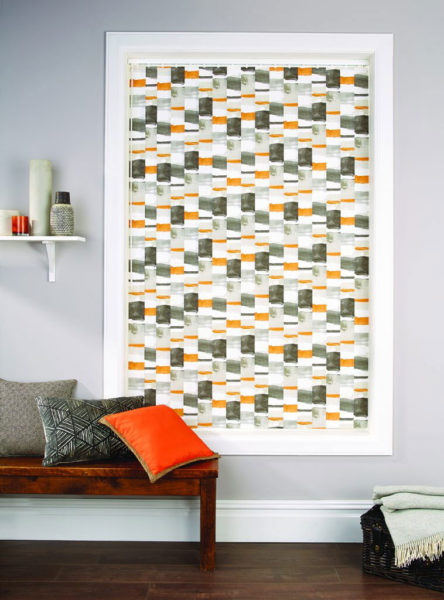
Roman Blinds
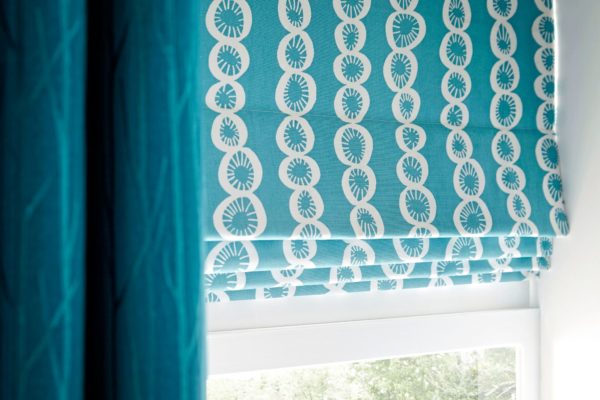
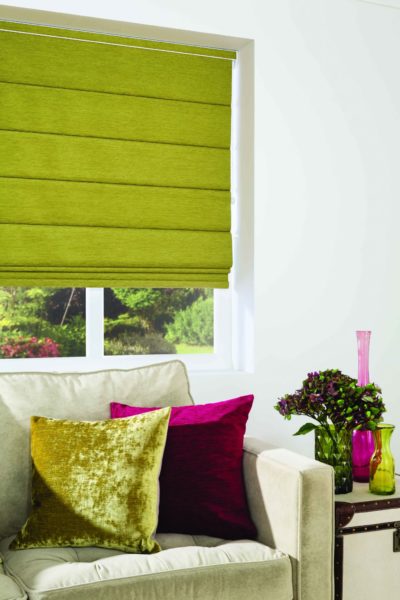
Roman blinds fold up in neat horizontal sections when you raise them. They’re made from fabric, so they bring texture and color to your space.
These work best in bedrooms, dining rooms, or living rooms where you want something that feels a bit more polished. They’re softer than roller blinds but still give you light control.
The catch? They’re pricier, and the folding mechanism can wear out faster than a simple roller system. Plus, fabric collects dust, so you’ll need to clean them more often.
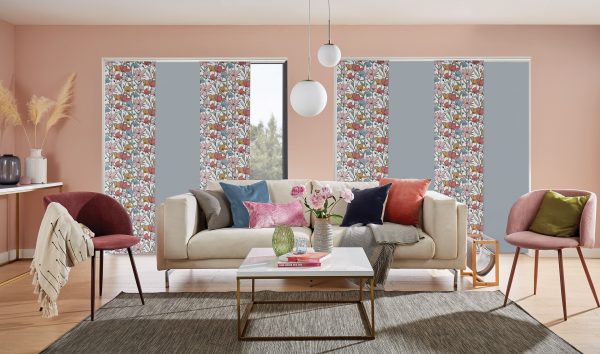
Vertical Panel Blinds
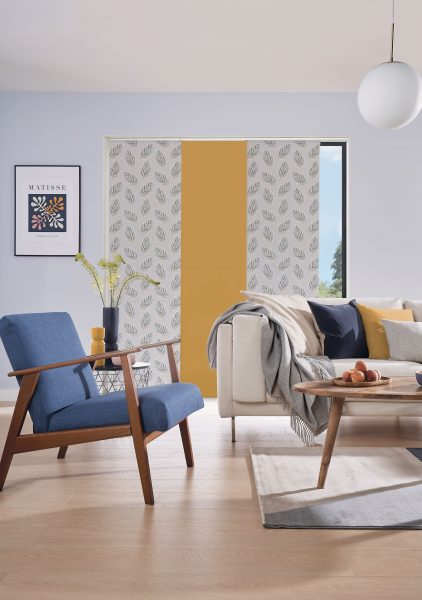
Panel blinds slide along a track like vertical blinds, but instead of narrow slats, they use wide fabric panels.
These look sleek on big windows or glass walls. They’re popular in modern homes with open floor plans. You get smooth, even coverage without the clutter of multiple slats.
They’re not cheap, though. And if one panel gets damaged, it’s noticeable. But if you’re going for that minimalist, high-end look, they’re worth considering.
How Do You Choose the Right Material for Blinds?
Material matters more than most people realise. Pick the wrong one, and you’ll deal with warping, fading, or constant cleaning.
Roller blinds are available in a wide range of colours, prints, and the latest colours, allowing you to create a custom look that perfectly matches your home décor. Whether you prefer bold patterns, subtle shades, or contemporary prints, roller blinds can enhance home decor with a range of patterns and colours.
Fabric Blinds
Fabric works for roller blinds and Roman blinds. It’s soft, comes in endless colours, and you can find options that filter light beautifully. Fabric roller blinds use different filters, such as mesh or blackout materials, to control natural light, reduce glare, and provide privacy.
Go with fabric if:
- You want colour and texture in your room
- You’re covering bedroom or living room windows
- Light filtering matters more than total blackout
Skip fabric if:
- You need something for a bathroom or kitchen where moisture and grease are issues
- You’ve got pets who might claw at it
- You want low-maintenance options
You can order a free sample of our roller blind fabrics to compare colours and styles before making your purchase.
Aluminium Blinds
Aluminium is tough, lightweight, and affordable. It’s what you’ll find in most Venetian blinds.
Go with aluminium if:
- You need blinds for bathrooms or kitchens
- Budget is tight
- You want something that lasts without much care
Skip aluminium if:
- You want a high-end look (aluminium can look a bit cheap)
- Noise bothers you (slats clatter in the wind)
- You’re covering large windows (they can bend over time)
Wood and Faux Wood Blinds
Real wood brings warmth and character. Faux wood gives you the same look with better moisture resistance.
Go with wood or faux wood if:
- You want a classic, upscale feel
- You’re covering windows in dry rooms like bedrooms or living areas
- You’re willing to spend a bit more for quality
Skip wood if:
- You need blinds for humid spaces (real wood warps)
- You’re on a tight budget
- You want something lightweight and easy to install
PVC and Vinyl Blinds
Vinyl is waterproof and affordable. It’s common in budget roller blinds and some vertical blinds.
Go with vinyl if:
- You need something for a bathroom or utility room
- You’re renting and don’t want to invest much
- Easy cleaning is a priority
Skip vinyl if:
- You care about aesthetics (it looks cheap)
- You want something eco-friendly
- You’re covering large windows (vinyl can sag)
What Features and Functionality Should You Consider?
You’ve picked a style and material. Now you need to think about how your blinds actually work. The finish of your roller blinds, including modern fascias, end caps, and bottom bars, plays a key role in creating an elegant and functional look. These details ensure a polished, professional appearance after installation, enhancing both the aesthetic appeal and quality of your window coverings.
Light Control Options
Blackout blinds block almost all light. They’re perfect for bedrooms, nurseries, or any room where you need darkness. Blackout roller blinds are especially effective at blocking unwanted light, making them ideal for spaces where you want to eliminate excess light for better sleep or comfort. If you’re a light sleeper or you work nights, blackout roller blinds are non-negotiable.
Light-filtering blinds let soft, diffused light through while still giving you privacy. They work well in living rooms, kitchens, and home offices where you want natural light without the glare.
Sheer blinds are the lightest option. They soften harsh sunlight but don’t provide much privacy. Use them in rooms where neighbours aren’t looking in, or layer them with heavier blinds or curtains.
Motorised vs. Manual Blinds
Manual blinds use a cord, chain, or wand to open and close. They’re simple, reliable, and affordable. No batteries, no setup, no problems.
Motorised blinds let you control your blinds with a remote, app, or voice command. They’re convenient if you’ve got high windows, mobility issues, or just love smart home tech.
The trade-off? Motorised blinds cost more upfront and need power (either hardwired or battery-operated). And when the motor dies, you’re stuck until you fix it.
Cordless and Child Safety Features
If you’ve got kids or pets, cordless blinds matter. Corded blinds pose a strangulation risk for small children. Cordless designs eliminate that danger.
Many modern roller blinds and Venetian blinds come cordless by default. If you’re looking at older styles, check for child-safe mechanisms like breakaway cords or cord tension devices.
Insulation and Energy Efficiency
Some blinds help with insulation, and the numbers are impressive. Research from the University of Salford’s Energy House Laboratory found that high-quality blinds and shutters can reduce heat lost through windows during winter by up to 33%.
In the average UK home, around 18% of heat loss happens through windows, according to GOV.UK. That percentage goes even higher if you’ve got bifold doors, skylights, or older single-glazed windows.
Honeycomb blinds (also called cellular shades) are the stars here. They trap air in their pockets, which keeps rooms warmer in winter and cooler in summer. The British Blind and Shutter Association reports that honeycomb blinds can cut heat loss by up to 32%.
Thick fabric roller blinds and wood blinds also help a bit with temperature control. It’s not a game-changer, but if you’re trying to cut your heating bills, it’s a bonus. Energy-efficient blinds can save UK homeowners 15-25% on heating and cooling costs. For a typical home spending £1,800 annually on heating, that’s £270 to £450 saved each year.
How Do You Measure for Blinds?
Get your measurements wrong, and you’re either returning blinds or living with gaps that let light and eyes through. To measure roller blinds for a perfect fit, it’s important to decide whether you want a recess fitting (inside the window recess) or an exact fitting (outside the recess on the wall or ceiling).
Inside Mount (Recess Fitting):
For a recess fitting, measure wall-to-wall inside the window recess and take three measurements for both the width and the drop—at the top, middle, and bottom. Always use the smallest measurement to ensure the roller blind fits perfectly within the window recess.
Outside Mount (Exact Fitting):
For an exact fitting, measure where you want the blind to be on the wall and add an additional 50mm from the edges of the recess on each side. This ensures the roller blind fully covers the window and provides optimal light control.
Roller blinds are made to measure to fit all window sizes. The process includes selecting a style, measuring the window, and getting a quote.
Inside Mount vs. Outside Mount
Inside mount (also known as a recess fitting) means your roller blinds fit inside the window recess, giving a clean, built-in look. Your window frame is fully visible, which works well if you’ve got nice trim.
To measure for a recess fitting:
- Measure wall-to-wall inside the window recess at the top, middle, and bottom for width, and at the left, centre, and right for drop (height)
- Take three measurements for both width and drop
- Use the smallest measurement for each to ensure a proper fit, as windows aren’t always perfectly square
Outside mount (also known as an exact fitting) means your blinds sit on the wall or trim outside the window recess. This covers more area, blocks more light, and hides any imperfections in your window.
To measure for an exact fitting:
- Decide where you want the blind to be on the wall and measure the total width, adding an additional 50mm from the edges of the window recess on each side for optimal coverage
- Measure the height from where the mounting bracket will go to where you want the blind to end
Common Measuring Mistakes
Not accounting for obstructions. Check for window handles, locks, or trim that might block your blinds from sitting flush.
Rounding up or down. Don’t round. Use exact measurements. Most companies will adjust for fit, but they need accurate numbers to start.
Measuring just once. Always measure width and height in multiple spots. Windows shift over time, and frames aren’t always level.
Forgetting depth. If you’re doing an inside mount, make sure your window frame is deep enough to fit the blind. Most need at least 5-7cm of depth.
What Are the Installation Requirements for Blinds?
You don’t need to hire someone to install blinds, but you do need basic tools and a bit of patience.
What Tools Do You Need?
For most blind installations, you’ll need:
- Drill with bits
- Screwdriver
- Tape measure
- Pencil
- Spirit level
- Stepladder (if your windows are high)
Some blinds come with brackets that just clip into place. Others need screws drilled into the wall or frame. Check what’s included before you start.
How Hard Is It to Install Blinds Yourself?
If you’re comfortable using a drill and following instructions, most blinds take 30 minutes to an hour per window.
Easiest to install: Tension rod blinds (they just clip in with no drilling), cordless roller blinds, and basic Venetian blinds.
Moderate difficulty: Wood blinds (they’re heavier), outside-mount blinds (you need to get them level), and Roman blinds (the folding mechanism can be finicky).
Hardest to install: Motorised blinds (wiring or battery setup), vertical blinds (those tracks need to be perfectly straight), and panel blinds (multiple panels mean multiple adjustments).
If you’re not confident or you don’t have the tools, most retailers offer installation services. Professional blind fitters typically charge between £20 and £30 per hour, with a standard window taking around 30 minutes to fit, according to Checkatrade. For more complex jobs like larger blinds or difficult-to-reach windows, expect costs to go up.
How Do You Clean and Maintain Blinds?
Blinds are low-maintenance, but ignore them long enough and dust builds up fast. You can find a further guide to cleans blinds here.
Cleaning Different Types of Blinds
Roller blinds: Vacuum with a brush attachment or wipe down with a damp cloth. If they’re fabric, spot-clean stains with mild detergent.
Venetian blinds: Dust slats with a microfibre cloth or use a blind-cleaning tool that grabs multiple slats at once. For deep cleaning, take them down and soak them in a bath with soapy water, then rinse and dry completely.
Vertical blinds: Wipe slats with a damp cloth while they’re still hanging. You can also vacuum them with a brush attachment.
Roman blinds: Vacuum regularly to keep dust from settling into the fabric. Spot-clean stains as they happen. Some are machine-washable, but check the care label first.
How Often Should You Clean Blinds?
Quick dusting or vacuuming every couple of weeks keeps them looking fresh. Deep cleaning once or twice a year is plenty unless you’ve got allergies or you live somewhere dusty.
Fixing Common Problems
Slats won’t tilt: Check for broken cords or a jammed tilt mechanism. Sometimes you just need to replace the tilt rod.
Blind won’t roll up or down: The spring mechanism might be too tight or too loose. Most roller blinds let you adjust this by removing the blind and tweaking the spring. If the roller blind won’t turn, it may be because the brackets were installed too tightly or the blind was ordered too large.
Cord is tangled: Untangle it slowly. If it’s beyond saving, you can buy replacement cords or switch to cordless.
Blind is crooked: Check if the mounting brackets are level. If not, unscrew them and reposition.
How Much Do Blinds Cost?
Blind prices range from dirt cheap to eye-wateringly expensive.
Budget-Friendly Options
You can find basic vinyl roller blinds or aluminium Venetian blinds for £8 to £25 per window. They’re functional but don’t expect them to last more than a few years.
According to Checkatrade, blackout blinds specifically range from £5 to £130 depending on size and quality. These work fine for rentals or rooms you don’t spend much time in.
Mid-Range Options
Most people land here. Expect to spend £40 to £120 per window for decent-quality roller blinds, faux wood Venetian blinds, or simple Roman blinds.
You get better materials, smoother operation, and more colour choices. These should last 5 to 10 years with normal use.
High-End Options
Real wood blinds, custom Roman blinds, motorised systems, and panel blinds can run £150 to £400+ per window.
You’re paying for premium materials, custom sizing, and advanced features. If you’re planning to stay in your home long-term, the investment makes sense.
What Affects the Price?
Size: Bigger windows cost more. Custom sizes cost even more.
Material: Vinyl is cheap. Real wood is expensive.
Features: Motorisation, blackout linings, and cordless mechanisms add to the cost.
Brand: Big-name brands charge more, but you’re also getting better warranties and customer support.
Are Roller Blinds Right for Your Home?
Roller blinds are the go-to for most people, and for good reason.
They’re versatile. Roller blinds offer exceptional versatility, as you can select different fabrics to suit various room styles and functional needs—whether you want privacy, light filtering, or a specific aesthetic theme. You can get them in blackout, light-filtering, or sheer fabrics. You can mount them inside or outside the frame. They work in literally any room.
They’re affordable. Even mid-range roller blinds won’t break the bank. You can outfit an entire house for less than the cost of custom curtains.
They’re easy to use. Pull down, pull up. No complicated mechanisms to break.
They look clean. If you want a modern, streamlined look, roller blinds deliver.
But they’re not perfect for everyone.
Limited light control. Unlike Venetian blinds where you can tilt slats, roller blinds are either up or down. You can pull them halfway, but it’s not as precise.
Fabric can wear out. Over time, the fabric on roller blinds might fade or fray, especially in sunny windows.
Not the warmest option. If insulation matters, honeycomb shades or thick curtains do better.
If you want something simple, affordable, and good-looking, roller blinds are a safe bet. If you need precise light control or extra insulation, consider Venetian blinds or layering with curtains.
What About Blinds for Specific Rooms?
Different rooms have different needs. What works in your bedroom might be terrible in your bathroom.
Bedroom Blinds
You want darkness and privacy here. Blackout roller blinds are the obvious choice, but wood or faux wood Venetian blinds also work if you angle the slats right.
Go for something easy to operate. If you’re groggy in the morning, fumbling with cords or complicated mechanisms gets old fast.
Kitchen Blinds
Kitchens get greasy and steamy. Skip fabric and wood. Aluminium Venetian blinds, vinyl roller blinds, or faux wood blinds hold up better.
You also want something easy to clean. Smooth surfaces that wipe down quickly save you hassle.
Bathroom Blinds
Moisture resistance is everything here. Faux wood Venetian blinds or vinyl roller blinds are your best options.
Avoid real wood (it warps) and fabric (it gets moldy). Make sure whatever you pick can handle humidity without falling apart.
Living Room Blinds
Living rooms give you the most freedom. You can go with roller blinds, Roman blinds, wood Venetian blinds, or even panel blinds if you’ve got big windows.
Think about how much natural light you want during the day and how much privacy you need at night. Light-filtering roller blinds or Venetian blinds that tilt give you the best balance.
Home Office Blinds
Glare on your screen is annoying. You want blinds that let you control light precisely.
Venetian blinds are great here because you can tilt slats to avoid direct sunlight while still keeping the room bright. Roller blinds work too if you position your desk away from the window.
Frequently Asked Questions About Blinds
Are blinds better than curtains?
It depends on what you need. Blinds give you better light control, take up less space, and are easier to clean. Curtains add softness, warmth, and can block drafts better. Lots of people use both.
How long do blinds last?
Budget blinds last 3 to 5 years. Mid-range blinds last 5 to 10 years. High-quality wood or motorised blinds can last 15+ years with proper care.
Can you install blinds yourself?
Yes. Most blinds come with brackets and instructions. If you can use a drill and follow directions, you can install them yourself in under an hour per window.
Do roller blinds block out all light?
Only if they’re blackout roller blinds. Standard roller blinds let some light through. Check the fabric type before you buy.
Are cordless blinds worth it?
If you’ve got kids or pets, absolutely. They’re safer and often easier to use. The only downside is they sometimes cost a bit more.
Can you cut blinds to fit?
Some blinds, like aluminium Venetian blinds, can be trimmed at home with a hacksaw. Others need to be custom-ordered to size. Check before you buy.
What’s the best colour for blinds?
White and neutral tones are safe bets. They match most decor and don’t fade as noticeably in sunlight. Some people prefer bold colours for a striking look, while others prefer neutrals for a more subtle effect, depending on their decor and personal taste. If you want colour, go for something that complements your walls and furniture.
Do blinds help with insulation?
Yes. Research from the University of Salford’s Energy House Laboratory shows that quality blinds can reduce heat loss through windows by up to 33%. Honeycomb blinds are particularly effective, cutting heat loss by up to 32% according to the British Blind and Shutter Association. Wooden shutters can reduce heat loss by up to 51%.
For a typical UK home spending £1,800 on heating annually, energy-efficient blinds could save £270 to £450 per year. The savings add up, especially with rising energy costs.
Sources and References
This guide is based on research from authoritative UK sources:
Market Data:
- Statista Market Forecast: UK Curtains & Blinds Market (2024-2029)
- Grand View Research: UK Blinds and Shades Market Outlook
Energy Efficiency Research:
- University of Salford Energy House Laboratory: Thermal performance research
- British Blind and Shutter Association (BBSA): Energy saving guidelines
- Additional thermal blinds research and data
- Comprehensive energy-efficient blinds guide
Pricing and Installation:
- Checkatrade: UK blind installation costs and pricing guide (2024)
- English Blinds: UK made-to-measure blind pricing data
Industry Trends:
All statistics and recommendations reflect UK market conditions and pricing as of 2024-2025.
Final Thoughts on Choosing Blinds
Buying blinds doesn’t have to be complicated. Figure out what you need (light control, privacy, style), pick the right type and material for each room, and measure carefully.
The UK blinds market is shifting towards smarter, more energy-efficient options. Motorised blinds are becoming mainstream in 2024 and 2025, with many retailers now offering smart controls that work with Amazon Alexa and smartphone apps. Energy-efficient designs are also gaining traction as people look to cut heating bills during rising energy costs.
Roller blinds are the safe, versatile choice for most homes. Venetian blinds give you more control over light. Roman blinds add softness and style. Vertical and panel blinds work for big windows and doors.
Get your measurements right, pick materials that match how you’ll actually use them, and don’t cheap out on rooms where you spend a lot of time.
You’ve got this. Now go make your windows look good.